Experience Celtic folklore in its natural setting
Kembac Island is far more than a lonely, bleak chunk of rock. It’s nature in its purest form—fresh air, quiet solitude, and the feeling of being lost in the middle of the ocean. A unique experience not to be missed, one that will stay with you forever.
News
About the well in the courtyard of the Pronconsular House
Authorization Granted for the Feast of Saint Anne
One Less!
About the well in the courtyard of the Pronconsular House
Authorization Granted for the Feast of Saint Anne
Take a piece of your stay home with you, and enjoy the best of Kembac from the comfort of your own home—without the rain.

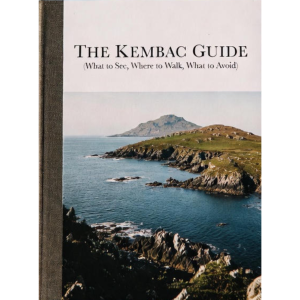
(what to see, where to walk, what to avoid)
$19.99

Saved the Island of Kembac
$24.99

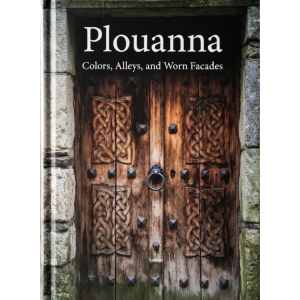
Colors, Alleys, and Weathered Facades
$29.99

$21.99

(1 Large Flag + 10 Small Flags)
$34.99

(10 Cards)
$14.99

$24.99

$18.99

(what to see, where to walk, what to avoid)
$19.99

Saved the Island of Kembac
$24.99

Colors, Alleys, and Weathered Facades
$29.99

$21.99

(1 Large Flag + 10 Small Flags)
$34.99

(10 Cards)
$14.99

$24.99

$18.99
What to see
Plouanna
Plouanna, the island’s capital: winding streets, crumbling houses, austere inhabitants—yet so proud to belong to the Big Nation!
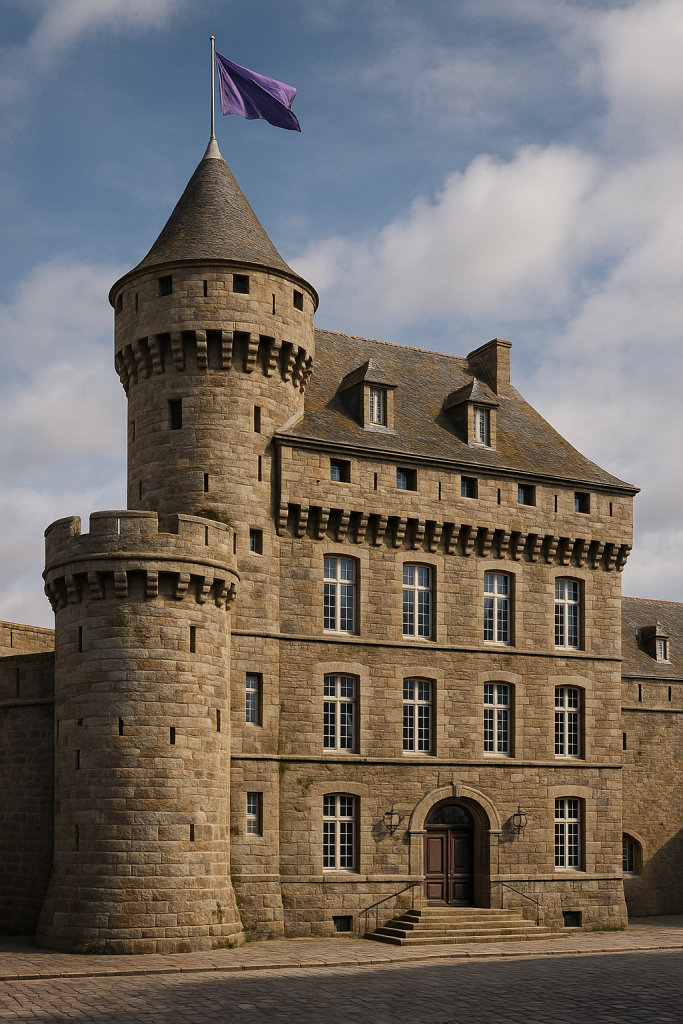
Admire the Proconsular House, the heart of the old town, the embodiment of the Big Nation’s absolute power! Marvel at its imposing architecture and let yourself be stirred by the sight of our beloved flag, flying atop its majestic turret. Everything is decided here. You will not be surprised to learn that the island’s inhabitants hold this place in the deepest respect. And the deepest fear.
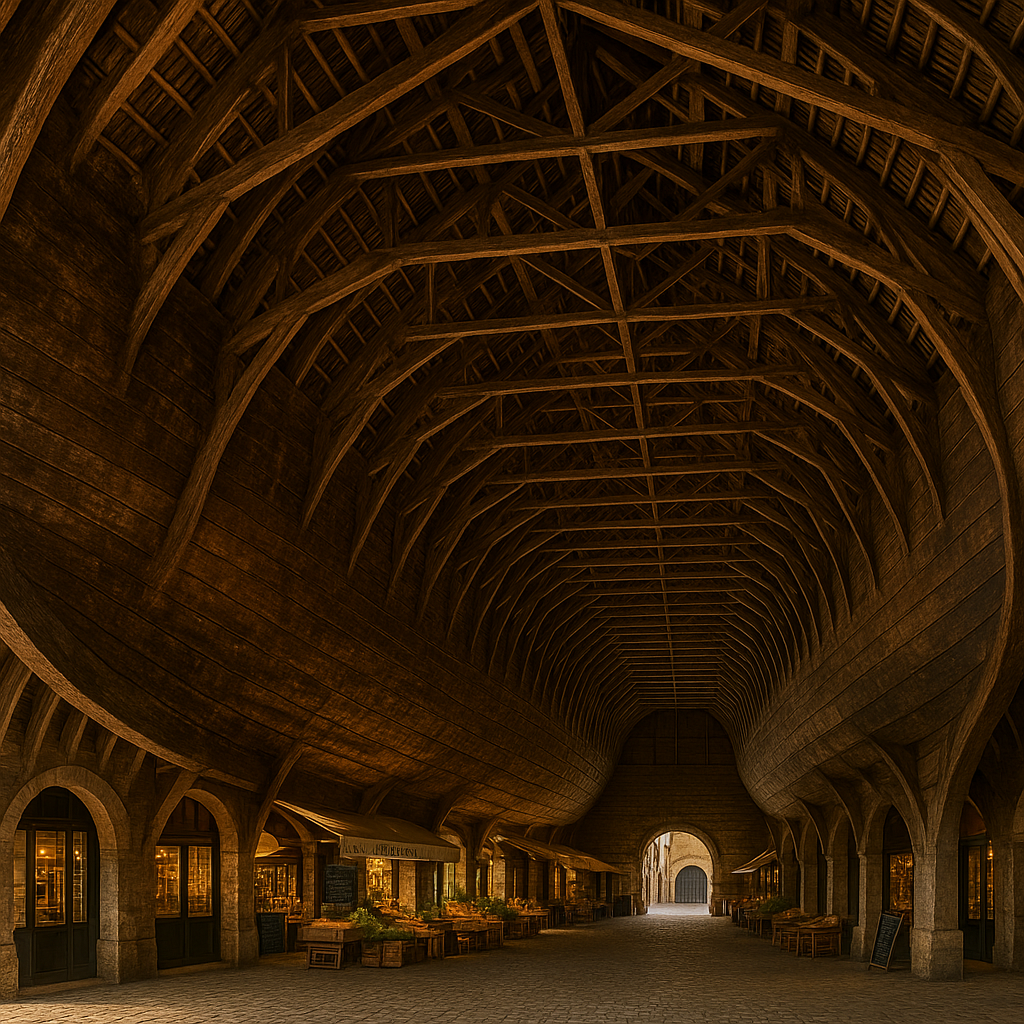
You will find whatever you might need during your stay on the stalls of the covered market, set up on Elibouban Square beneath the great overturned ship’s hull. Nothing as refined as what you would find on the mainland, of course, but seeing the island’s old-timers lingering there will give you the feeling of traveling a hundred years back in time.
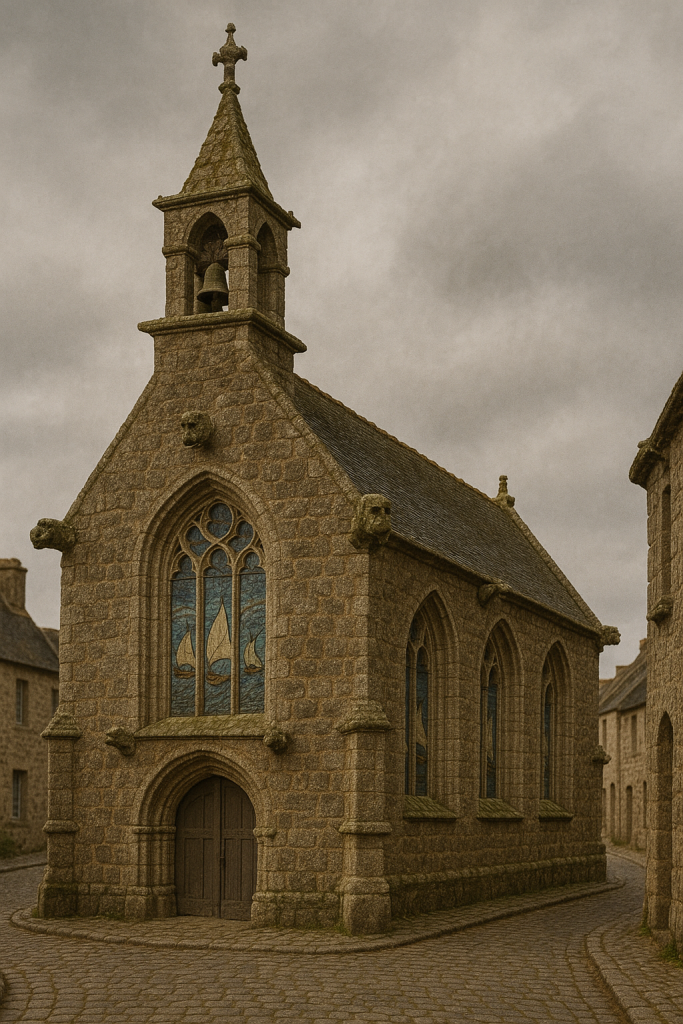
Don’t miss the old Saint Kemo chapel in the city center. It perfectly illustrates the islanders’ naive superstition. The stone is sacred to them, the stained glass is blessed, and the hideous gargoyles perched along the edge of the roof are supposed to protect them.
Fortunately for them, in truth, it is our dear Proconsular Agents who protect them—sometimes even from themselves.
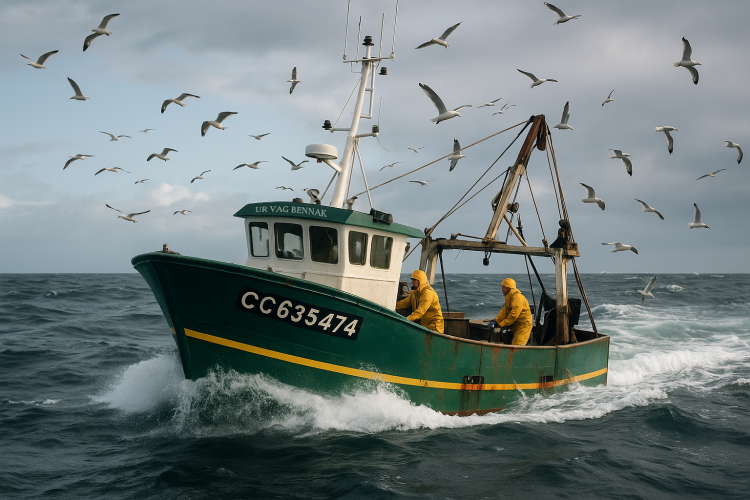
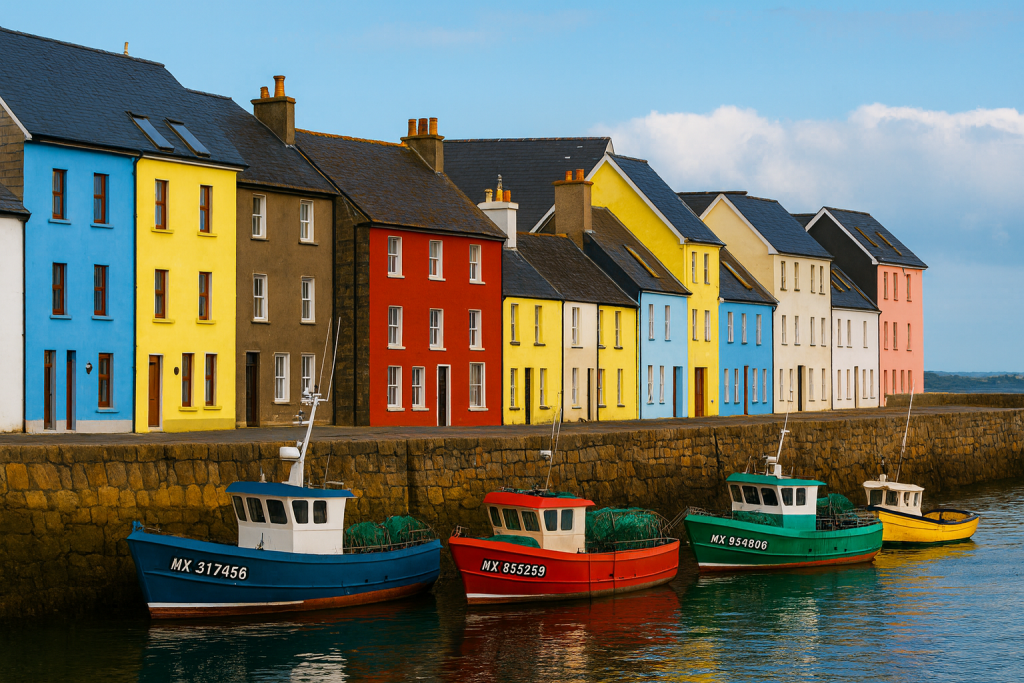
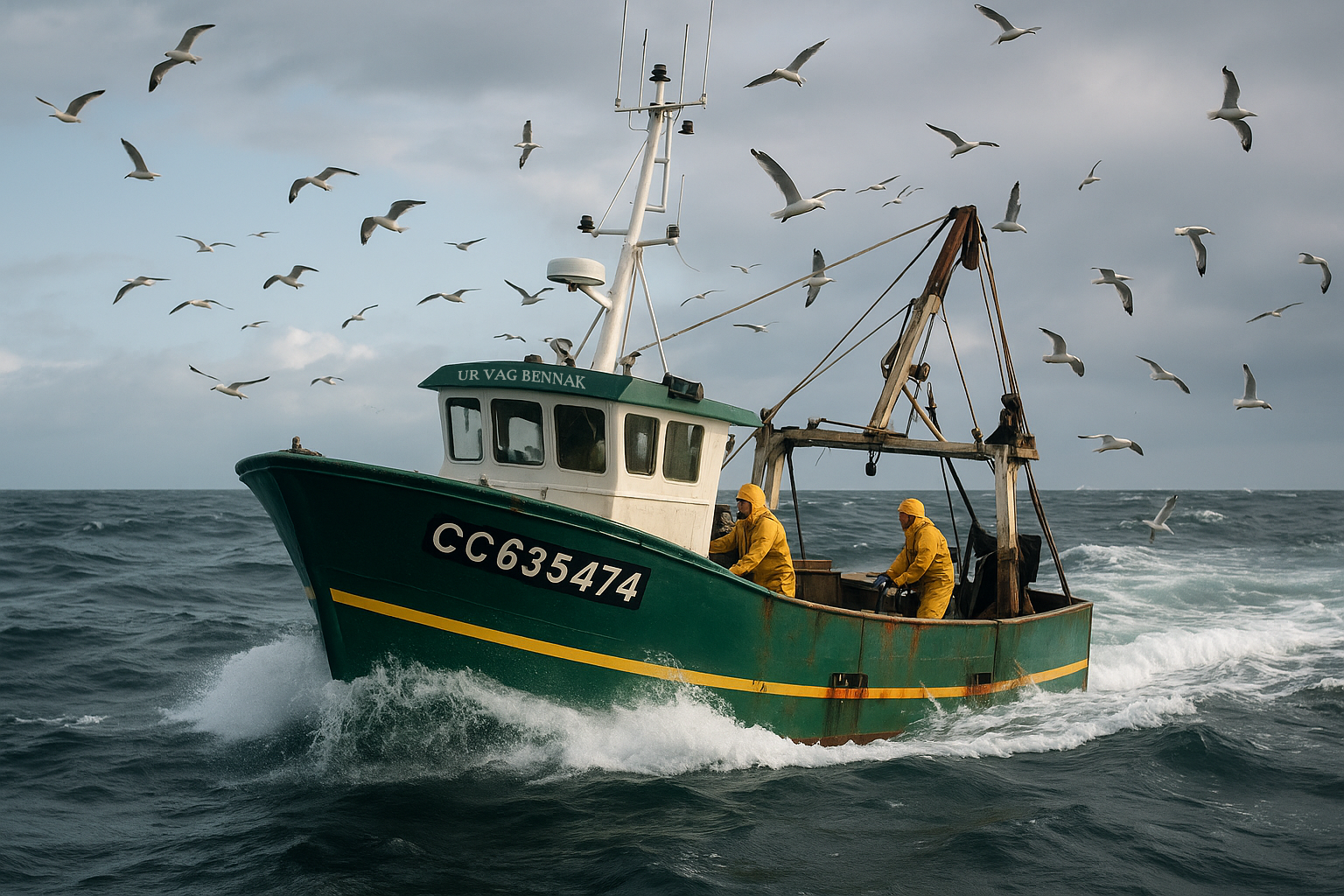
Take pleasure in watching the harbor’s colorful houses and the boats coming and going. Take the opportunity to observe the weary, whining sailors heading out to fish in the rain. They have the temperament of seagulls. You will thus see up close the legendary harshness of these archaic islanders—and be glad you don’t have to deal with them every day!
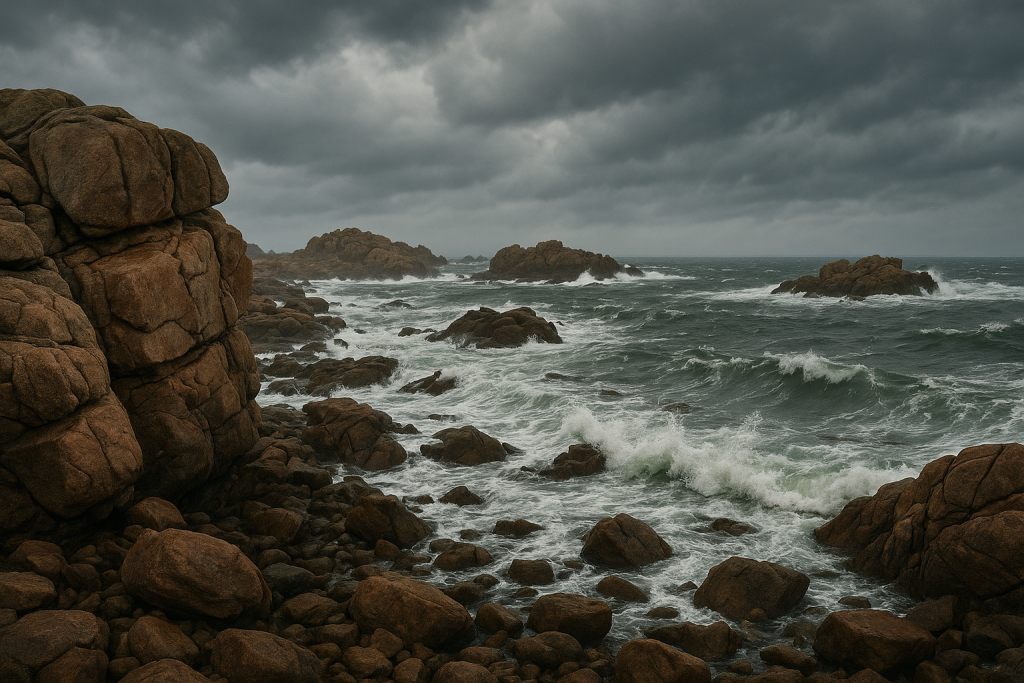
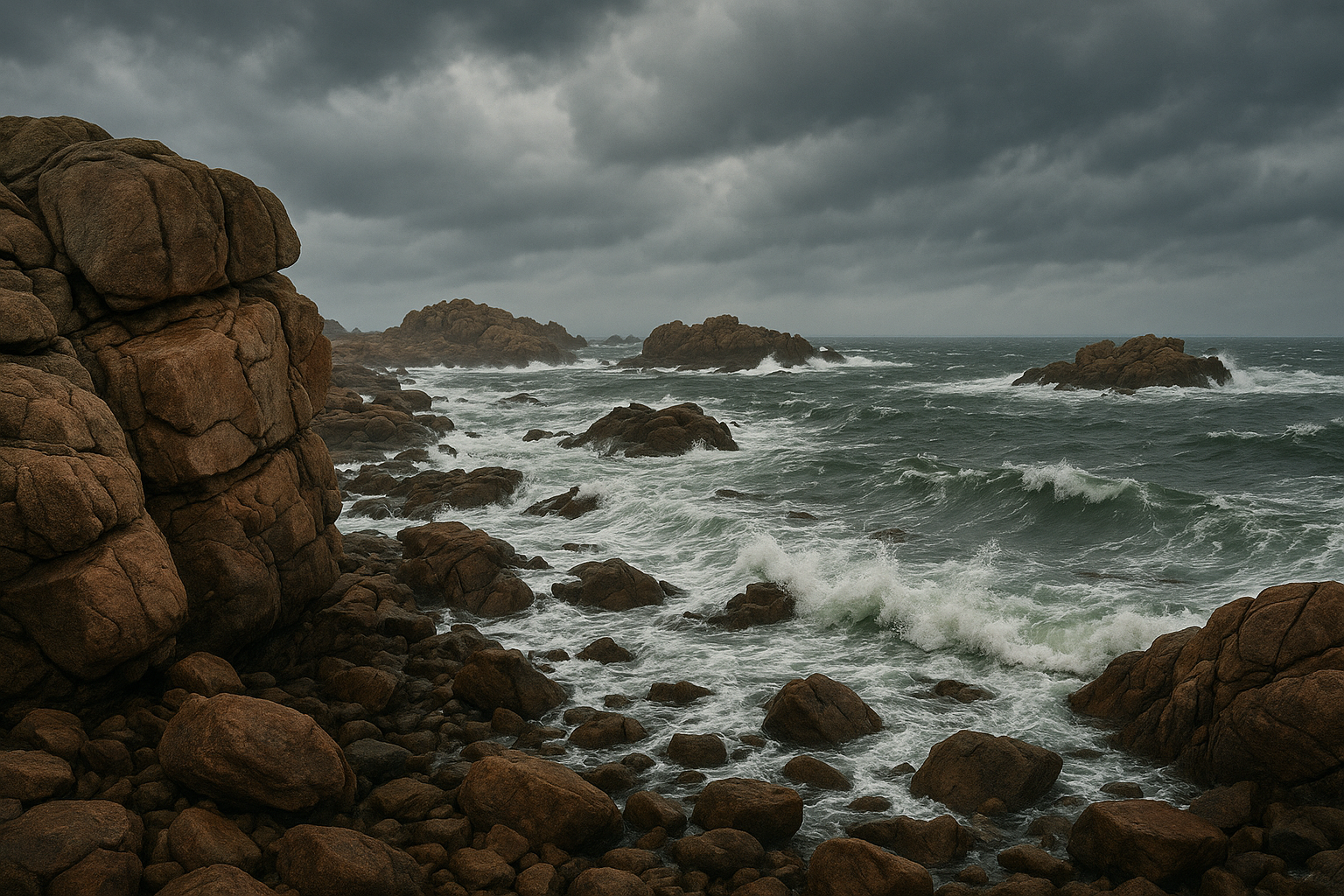
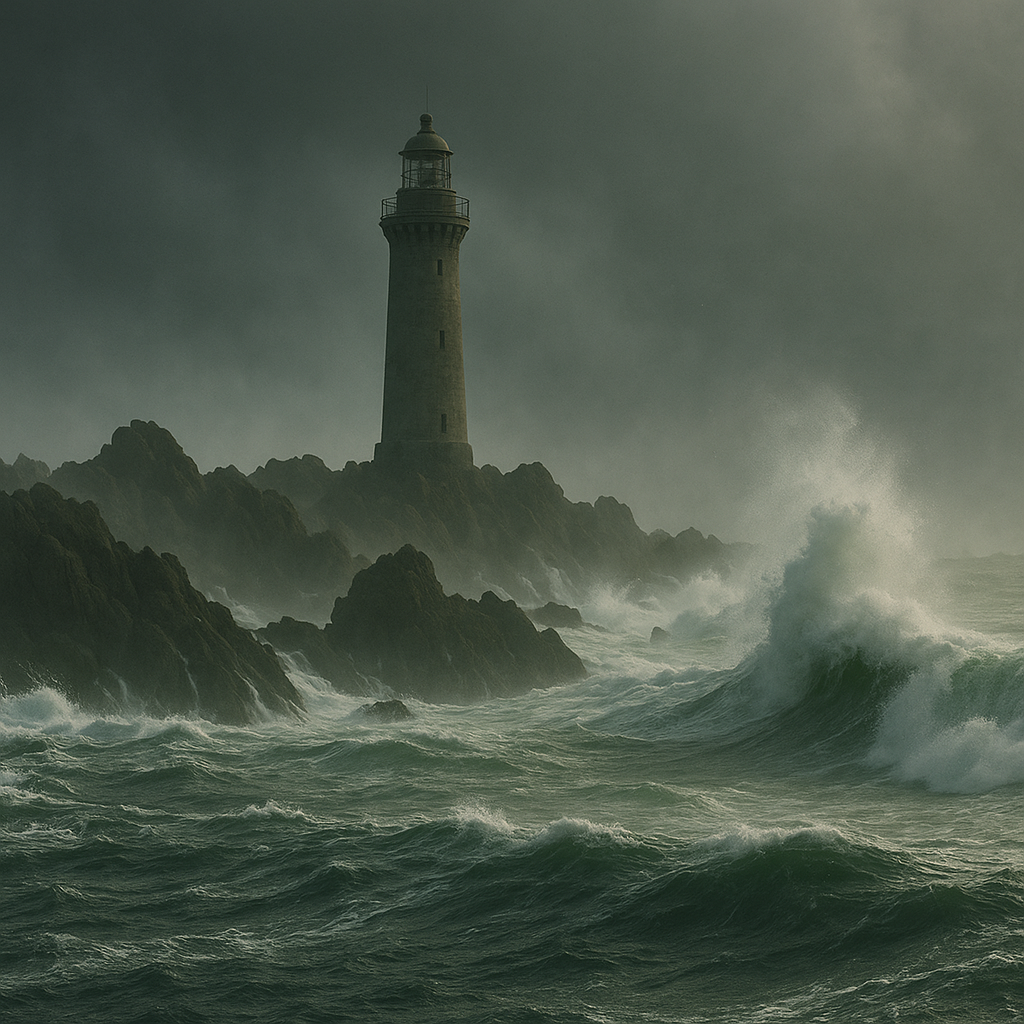
Here the coastline is jagged and torn, and the sea is cold and dangerous, strewn with reefs like so many razor blades—but the marine air is pure and heavy with iodine. Come intoxicate yourself with the scent of sea spray, and shudder at the chilling spectacle of the raging waves when the wind blows (that is to say, almost every day of the year).
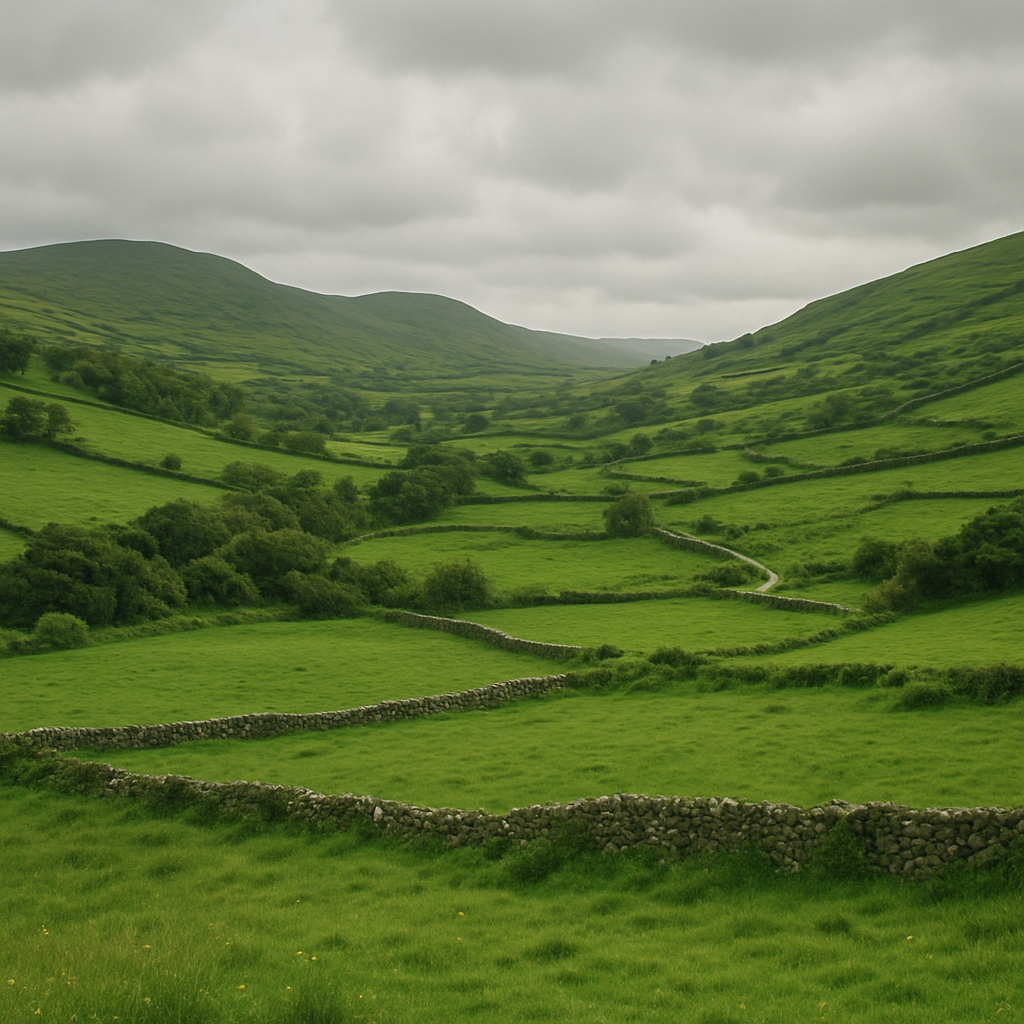
It may be hard to believe that the heart of the island can be even more backward than the coast, yet that is very much the case. The legends there are more persistent, and the inhabitants more gloomy. To visit the countryside of Kembac is to plunge into a world steeped in mystery, where the twentieth century has yet to arrive.
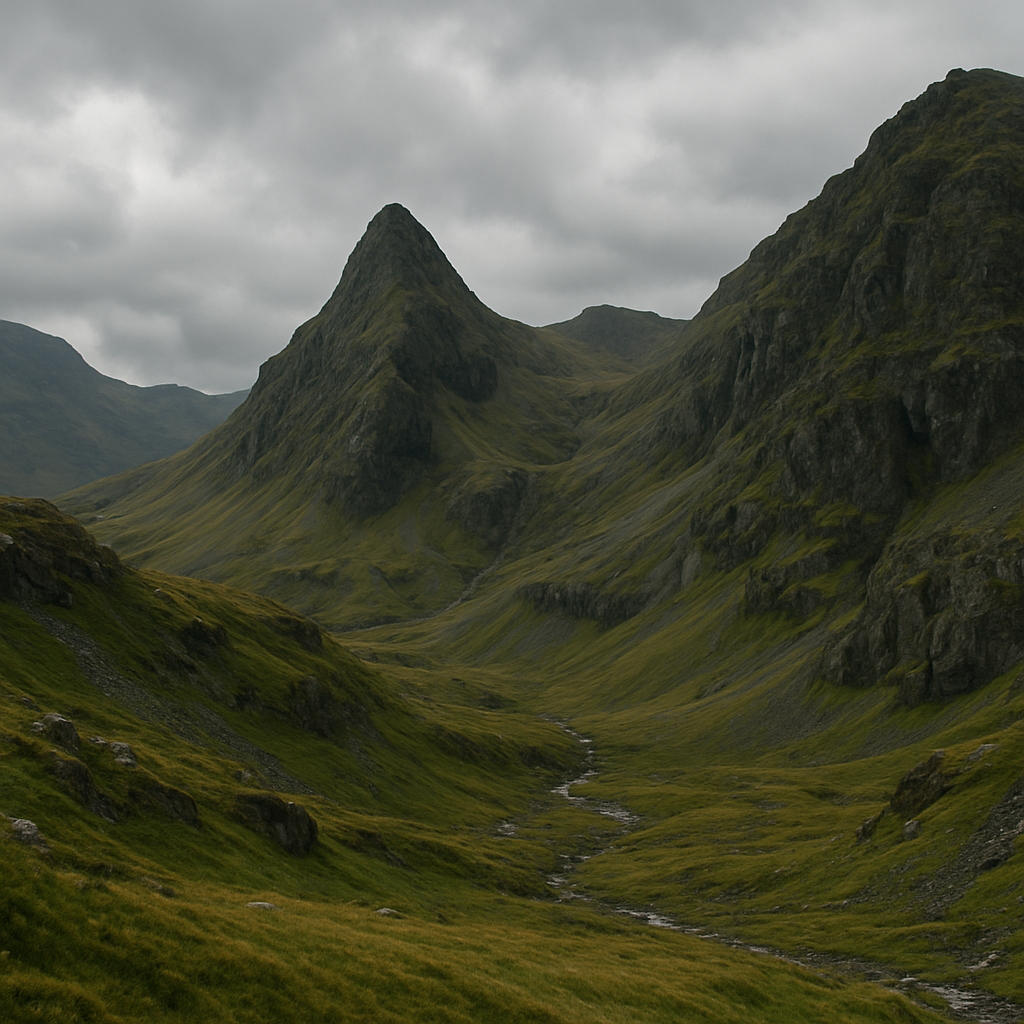
A hike in the mountains of Kembac would stand a good chance of being fatal. These steep heights may well be the most hostile place on the island. At the very least, go and contemplate the fearsome beauty of these ranges from the arid plains that surround them, and take home the unforgettable memory of those white and ocher rocks.
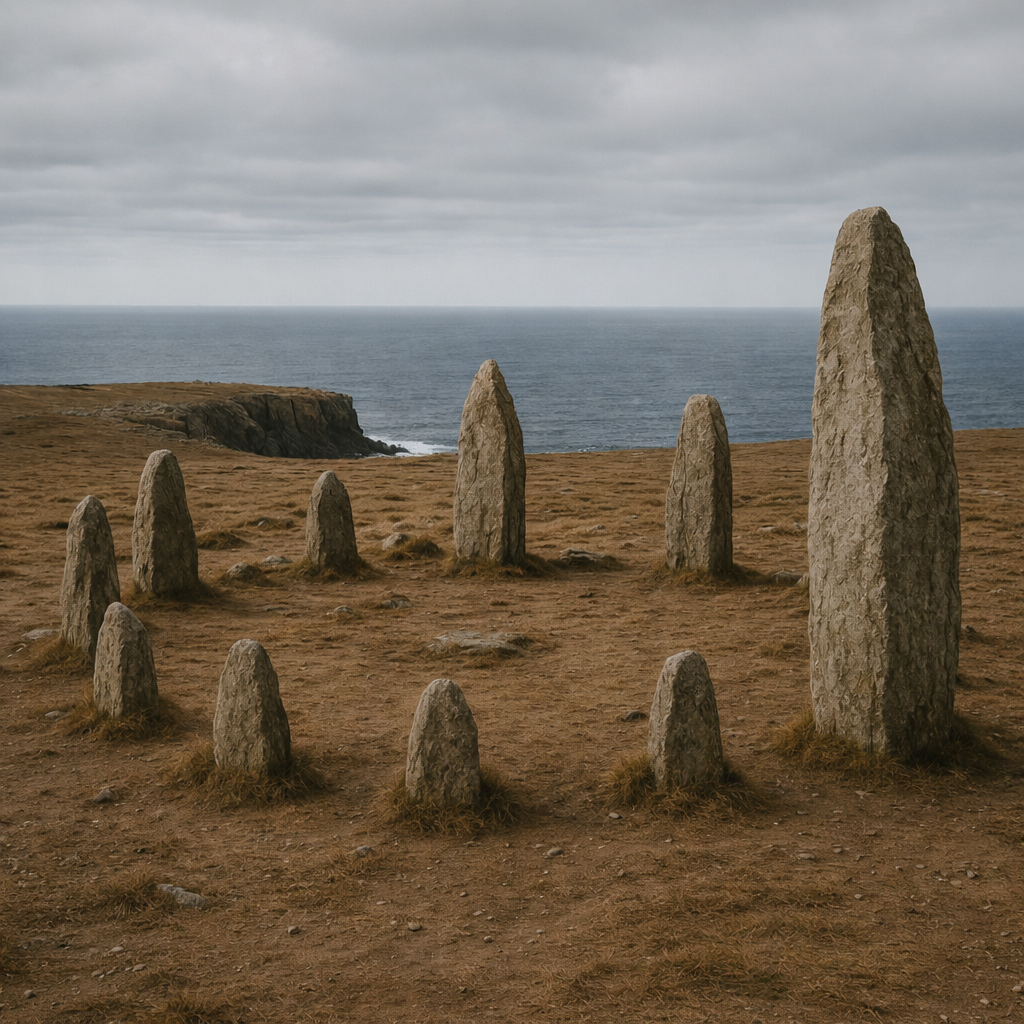
Here and there across the island, you will come upon the remnants of a vanished civilization: menhirs, dolmens, and stone circles. Don’t get too excited—nothing remotely comparable to ancient ruins. They are nothing more than large, useless rocks, set there for reasons no one really knows. The real attraction lies instead in the islanders’ foolish attachment to these old relics. For amusement, try carving one of these stones with a knife, and you will see even the most docile islander give you a hard stare.
What to do
What is there to do on the island of Kembac?
Honestly, not much. You get bored quickly. The little culture you might find there—if you even dare to call it “culture”—is, of course, nowhere near as rich or profound as that of the Big Nation, which the entire world envies. And if you happen to try chatting with the locals, you will soon realize they are not much for conversation.
Still, here are a few tips and addresses for the least demanding visitors.
The Feast of Saint Anna
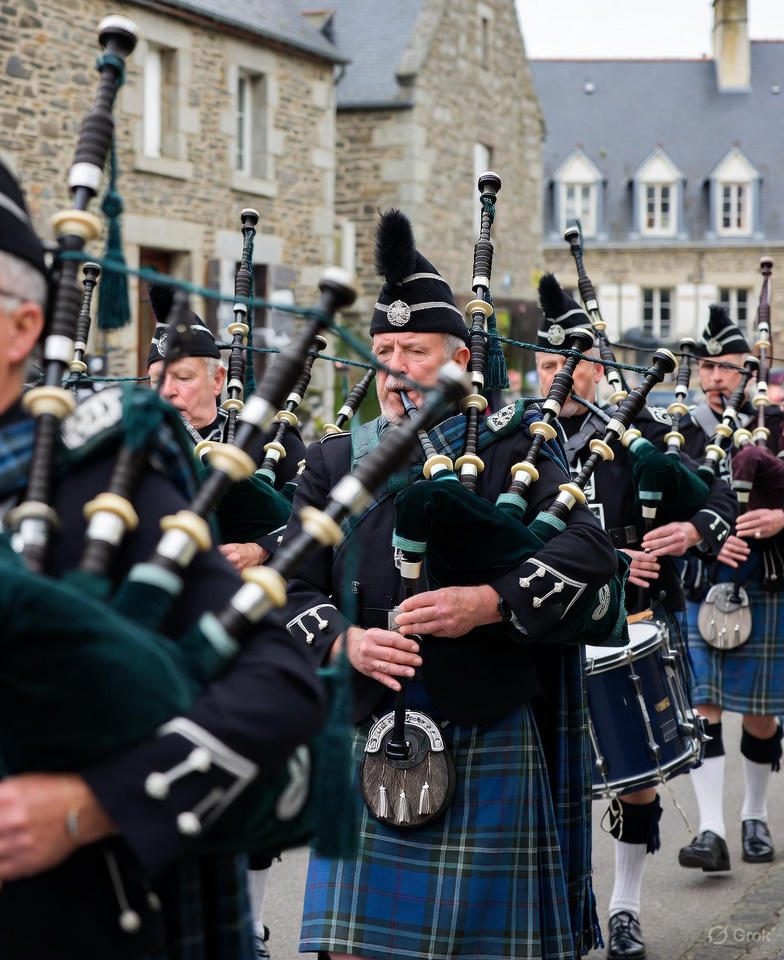
It is a festival held in honor of the island’s patron saint, Anna—who gave her name to the capital. It takes place every year at the end of June. The locals use the occasion to parade in their traditional costumes, eat coarse food, and make a dreadful racket with their old instruments, playing music one is quite happy not to hear too often. Those with sensitive ears will have a miserable time.
Tourists are often surprised that this kind of event is still allowed. But it is entirely exceptional, and each year its authorization depends solely on the Proconsul’s goodwill, granted only if the inhabitants have behaved themselves over the past twelve months.
The Museum
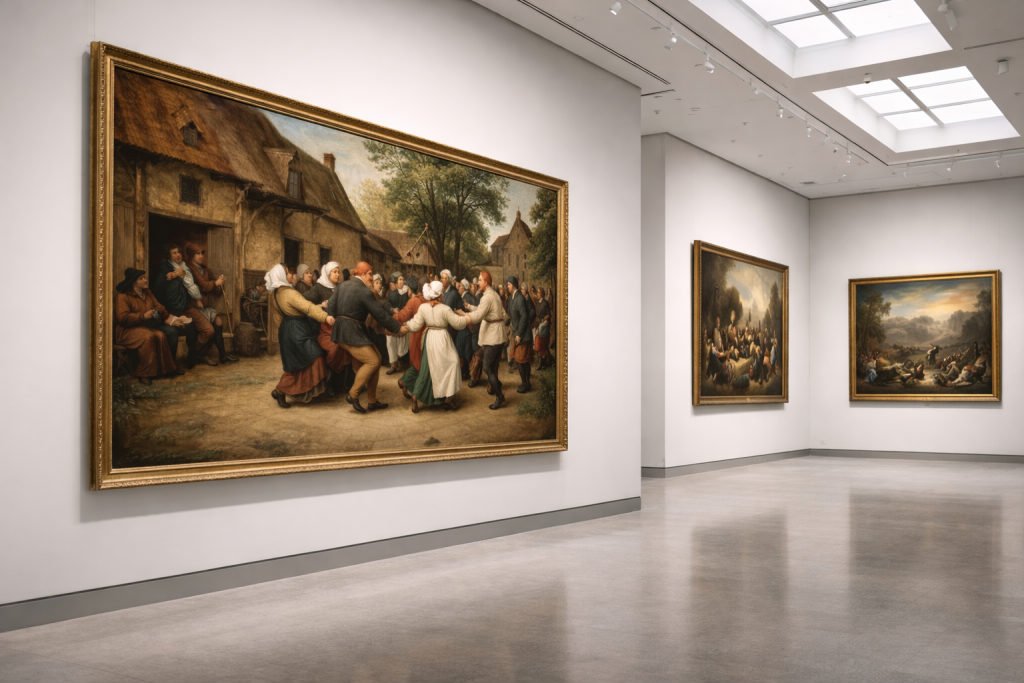
One can hardly say that the island’s museum houses any great masterpieces in its galleries. In any case, it is not really in the locals’ nature to marvel at works by master painters, so no one is losing much.
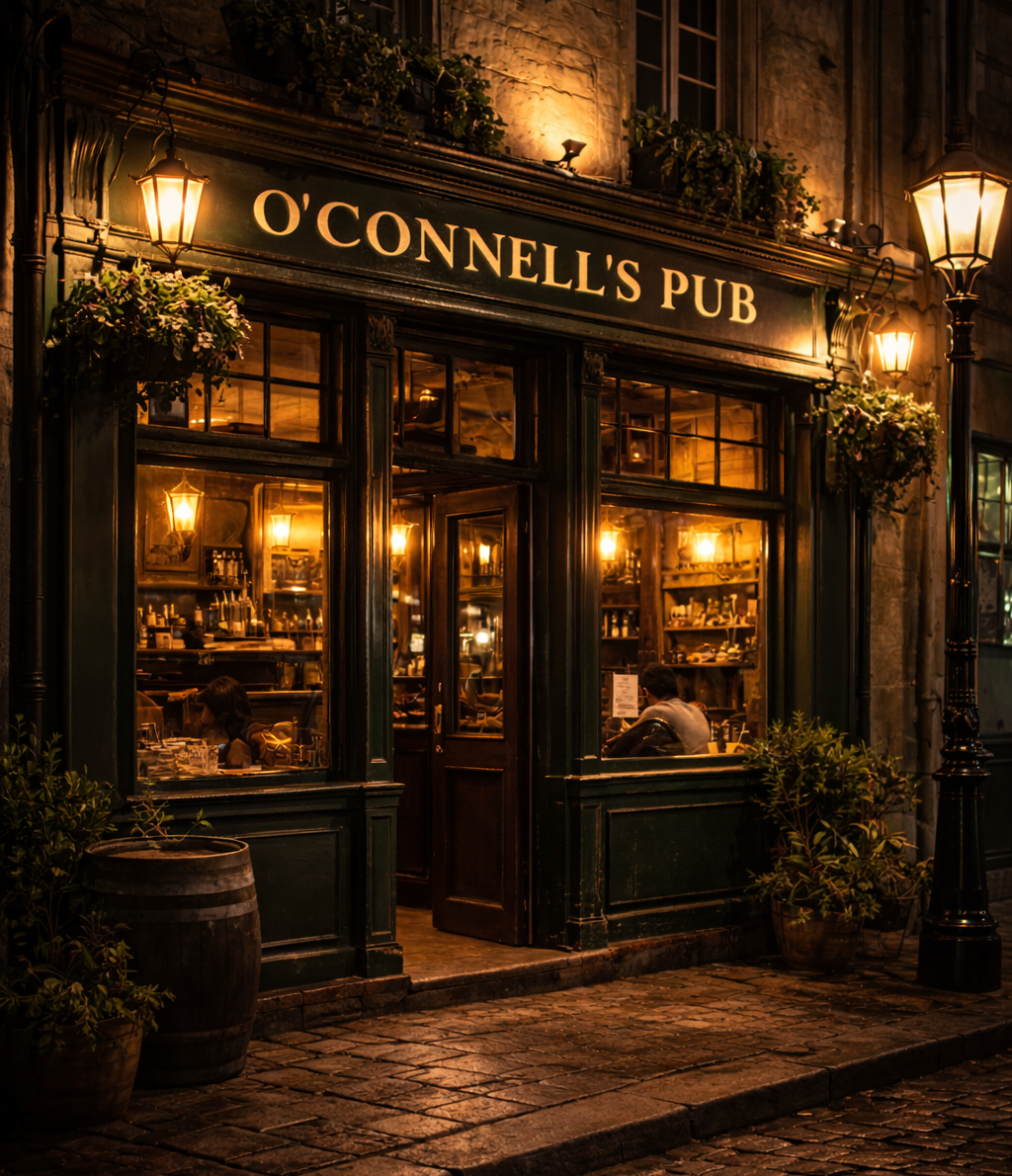
O’Connells Pub
If the idea ever crosses your mind to listen to local musicians, you may be told that you can find some at Plouanna’s main pub, O’Connells. Be warned: it is strongly advised not to go there. Fights are frequent, the regulars are the wildest of the wild, and even the most competent Proconsular Agents might be unable to guarantee your safety.
What to eat
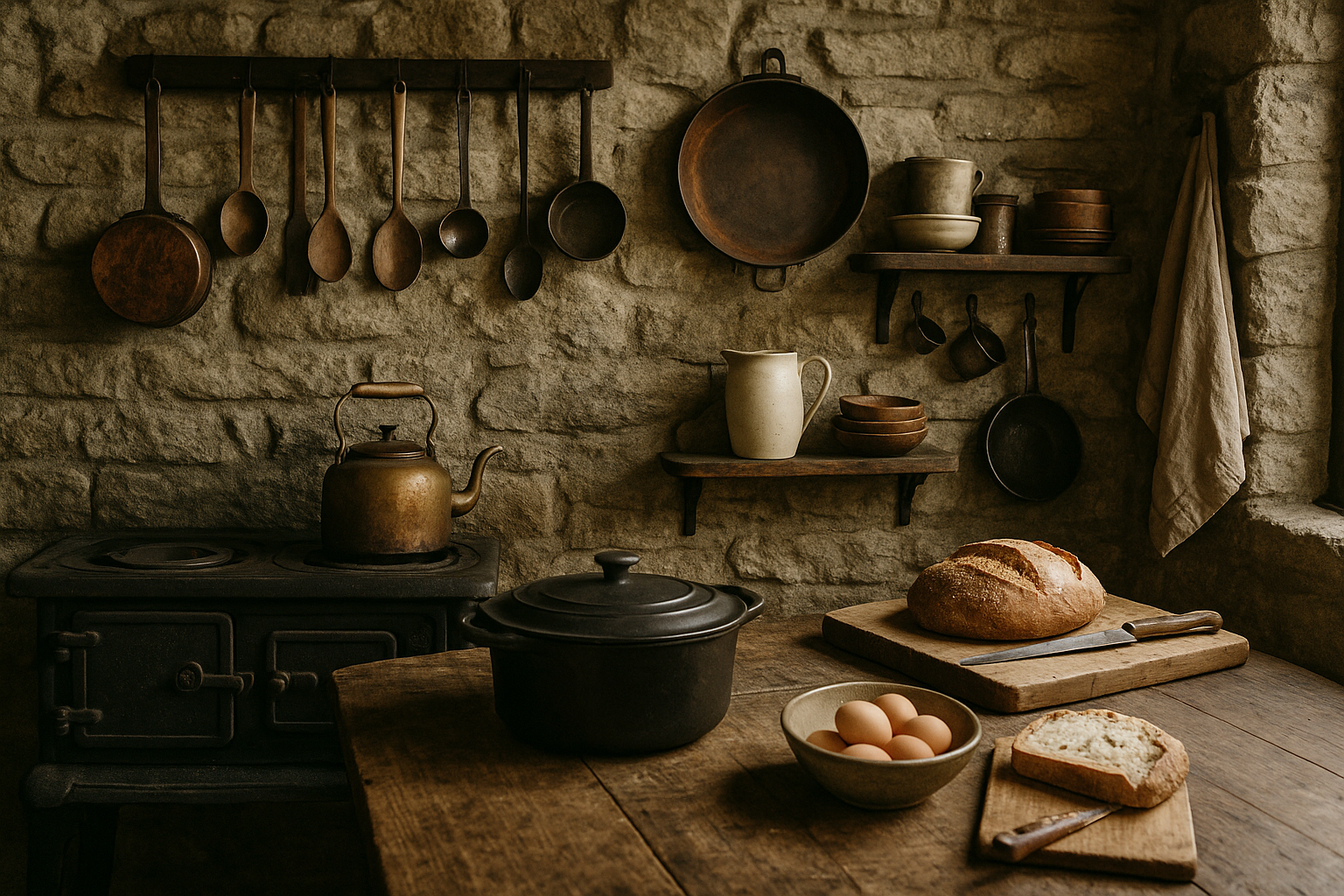
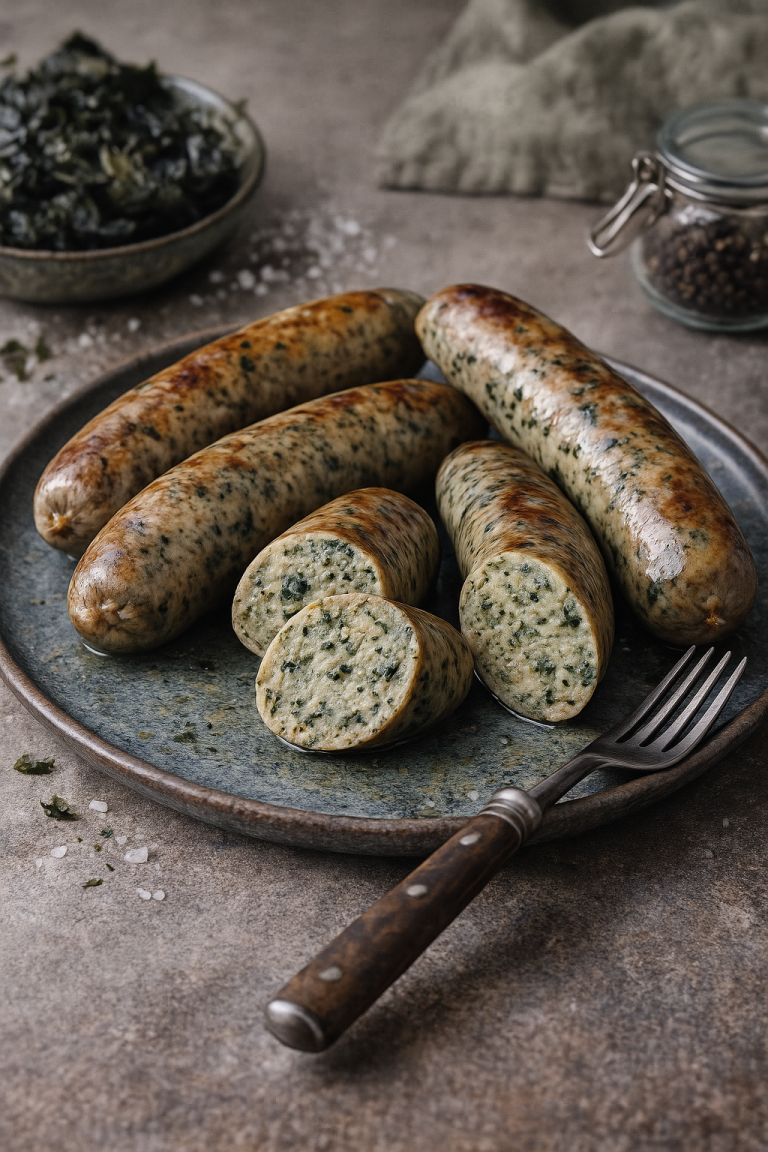
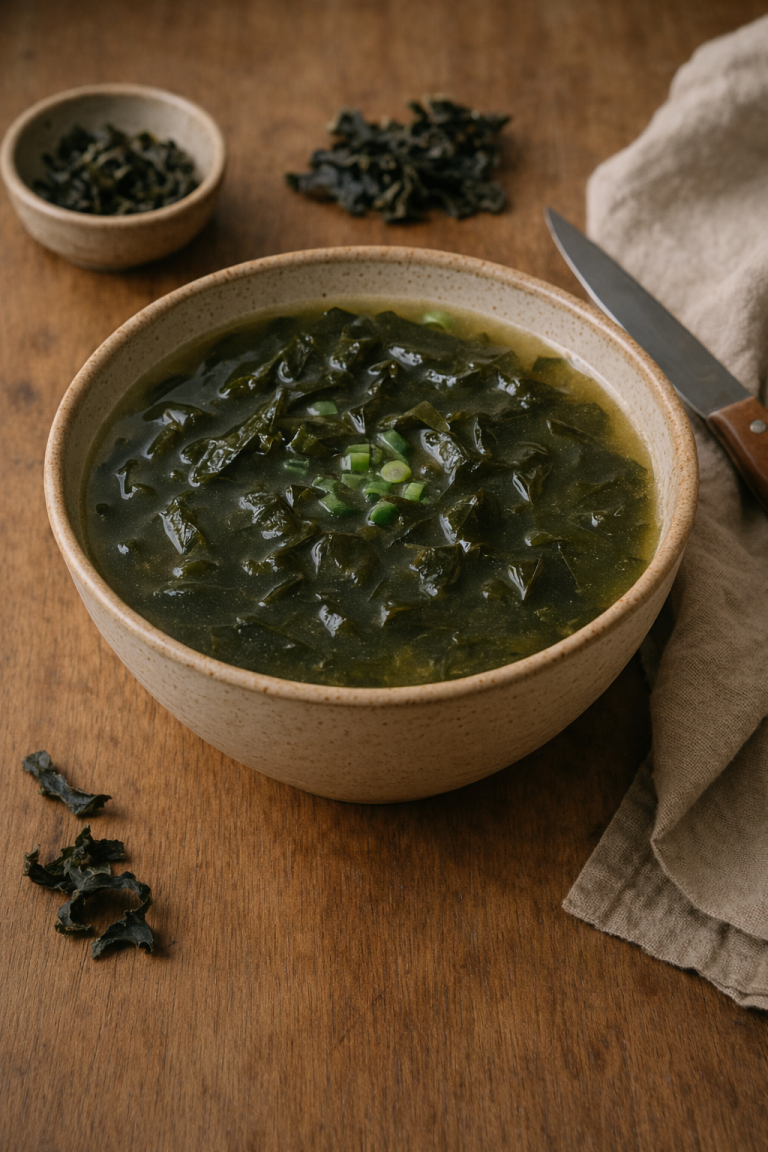
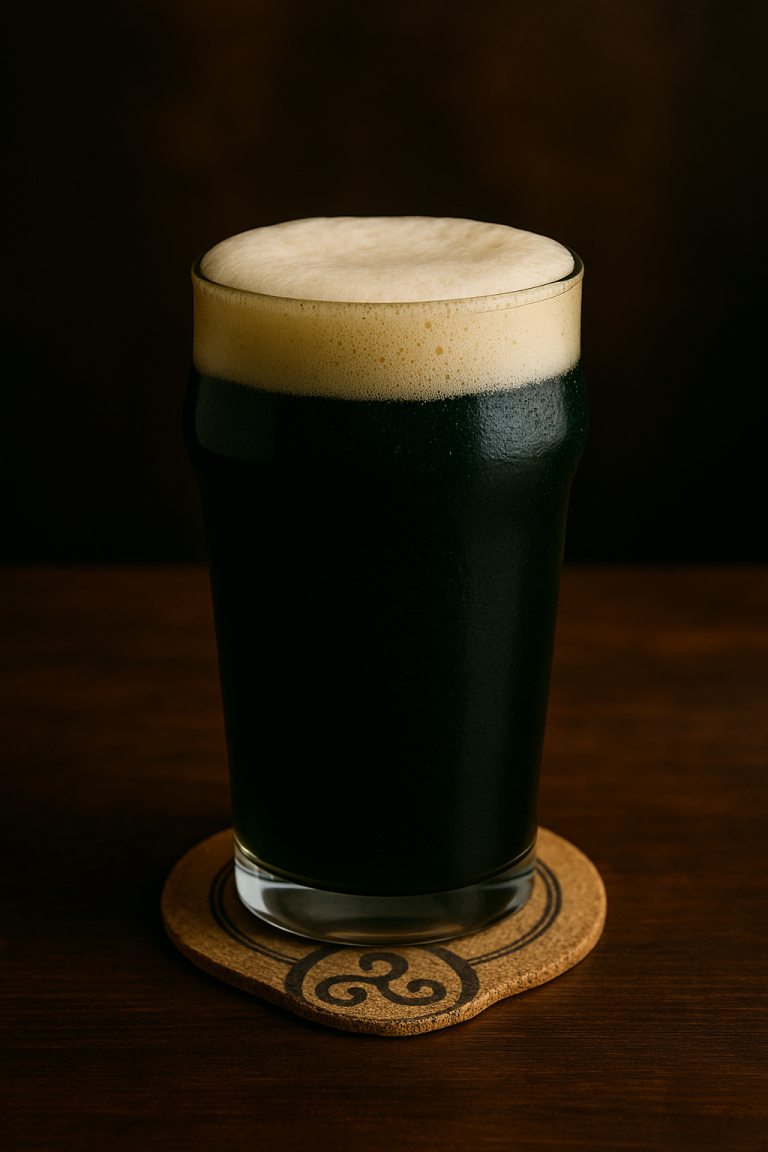
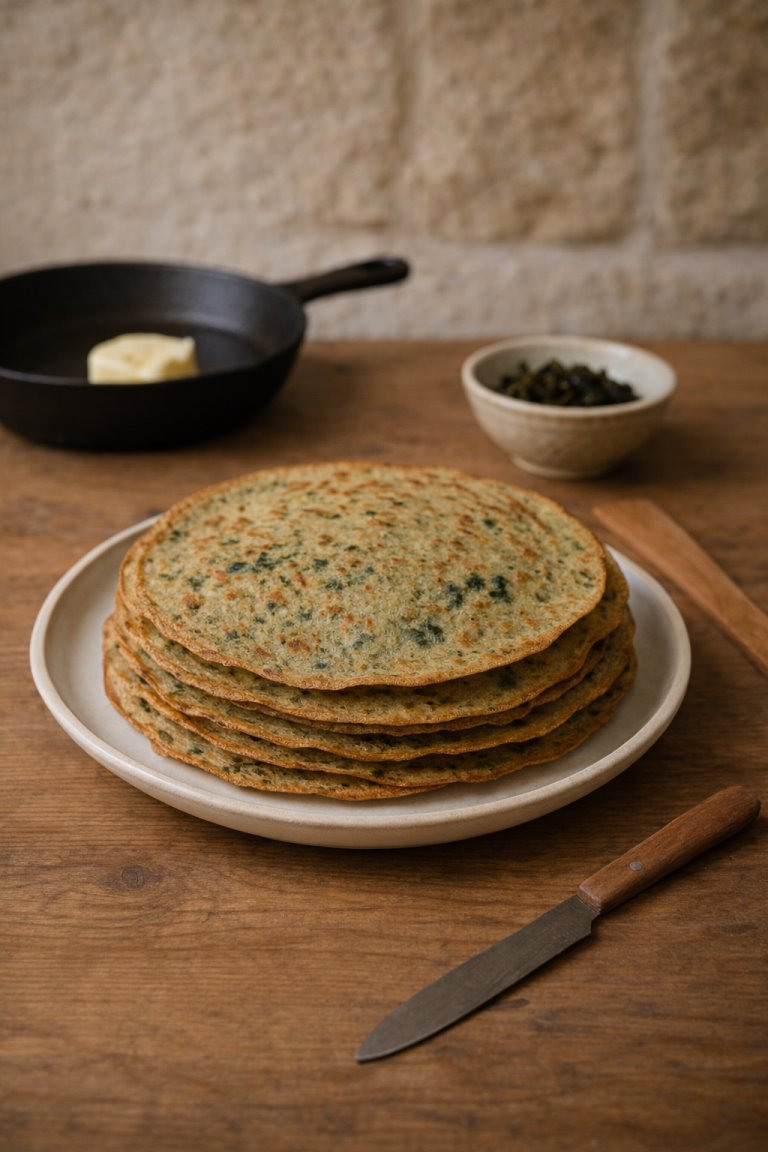
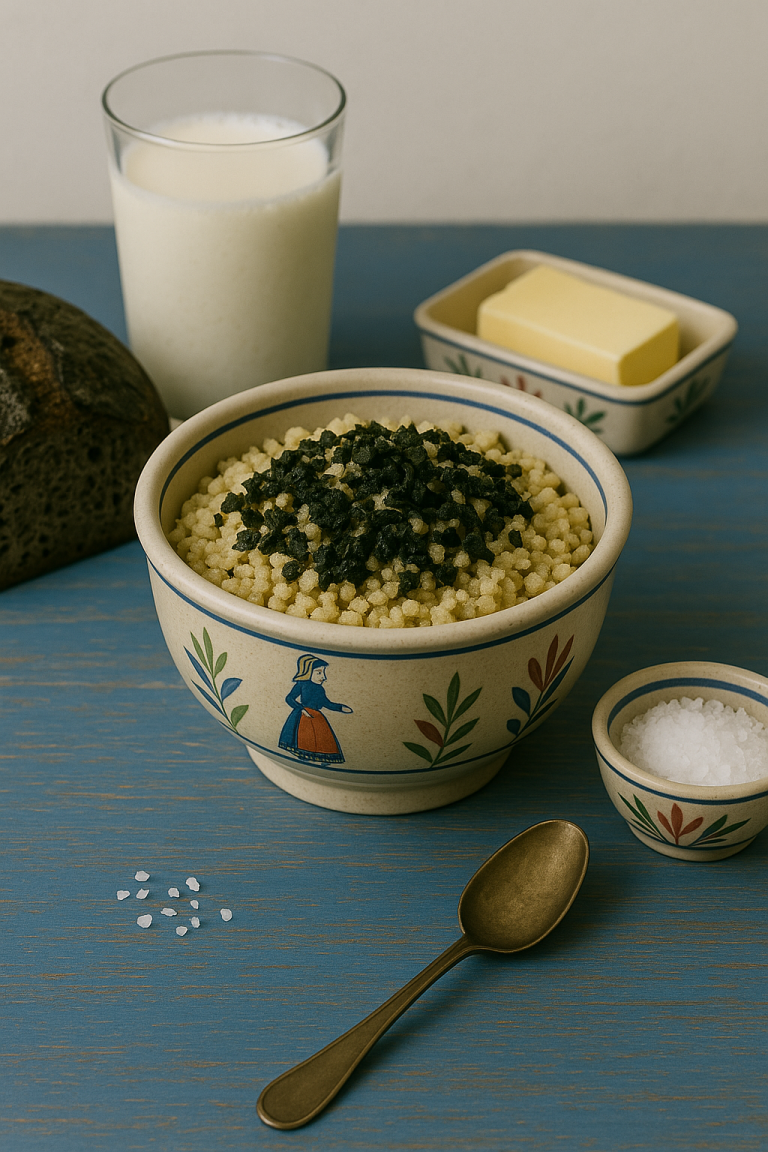
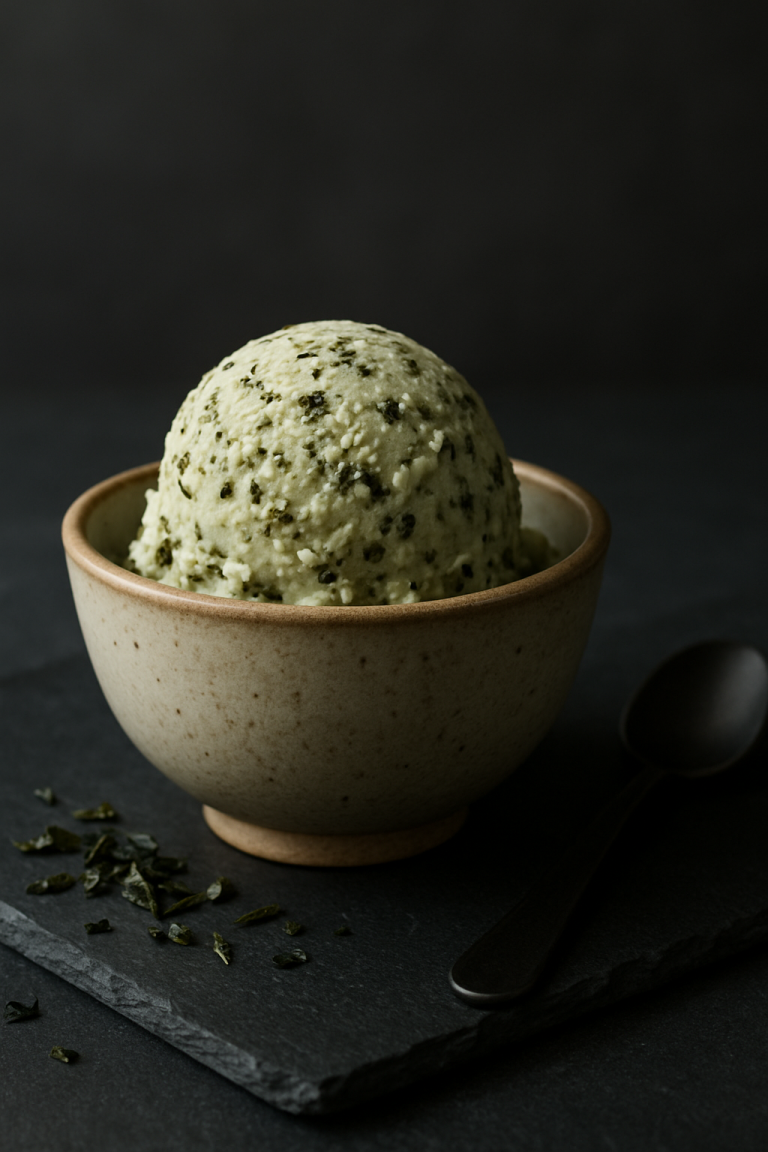
Kembac’s cuisine is nothing to write home about. Almost everything is made from seaweed gathered on the island’s beaches.
Contact us
FREE KEMBAC
This propaganda website is now under the control of